
The development of luck-based games is insane. What started out as heavy mechanical machines with three revolving wheels have developed into engrossing digital experiences with stories, animations, and visually stunning effects.
The transition from “pull lever, watch symbols, maybe win” to the interactive extravaganzas of today tells a fascinating story about player expectations, technology, and the increasingly creative ways that people enjoy tempting fate.
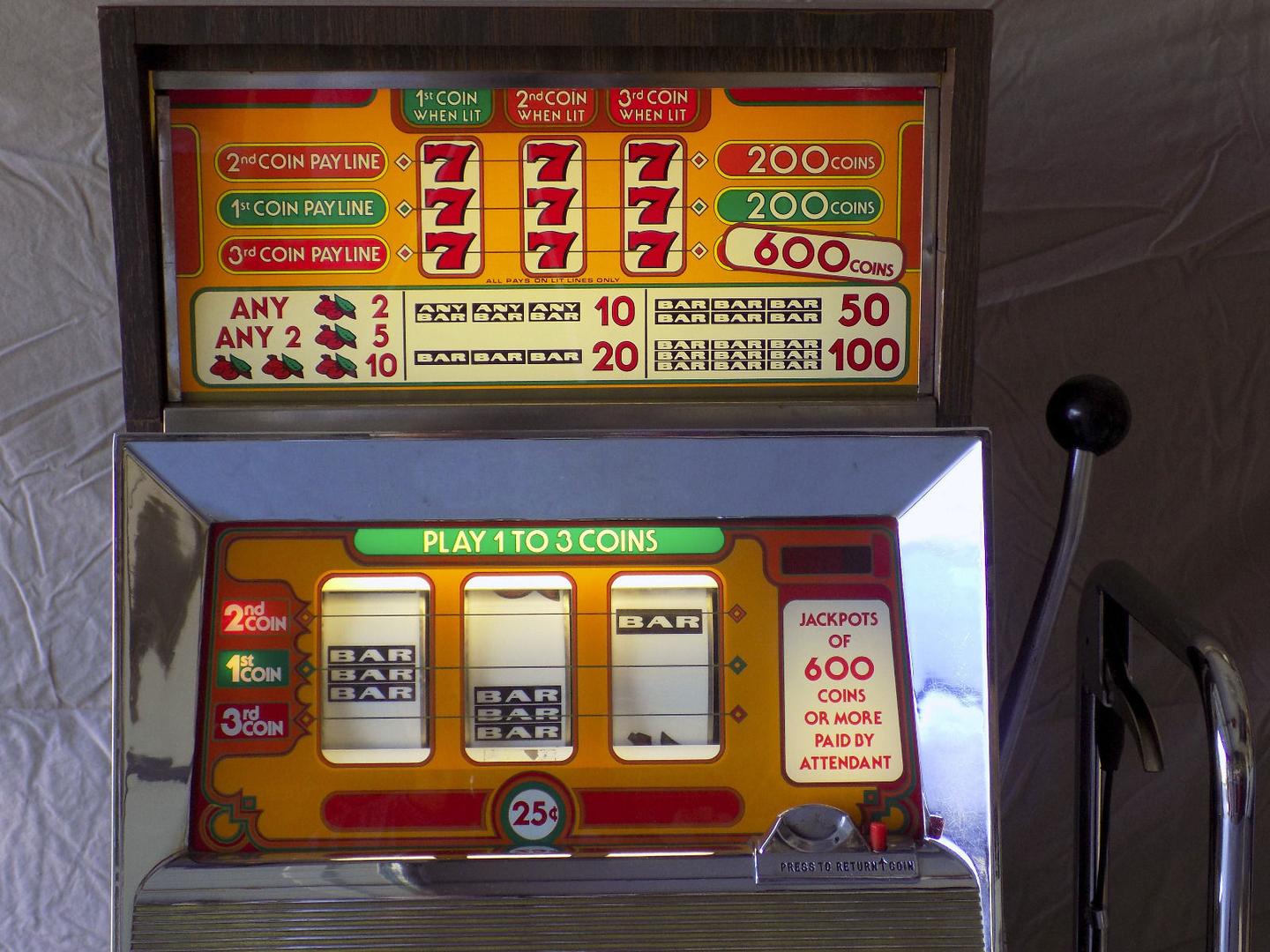
The Old Days Were Actually Pretty Boring
When it comes to the original luck machines, let’s be honest. Three reels. A few symbols of fruit. You pulled on a lever. That was all. There are no progressive features, bonus rounds, or adorable cartoon character backflips when you win. Players watched as cherries and bars lined up or did not line up while repeatedly pulling a mechanical arm.
There was no intrinsic enjoyment in the gameplay itself; instead, the entertainment value came from the suspense and sporadic payout.
Because they were functional, these machines ruled for many years. Fewer things could break because of the simple mechanics. Because players could actually see the actual reels spinning, the randomness felt real.
Regulations were also easier to follow when the device consisted solely of springs and gears. However, simplicity does not equate to excitement, and player expectations increased along with technological advancements.
Digital Screens Revolutionized Everything
For early players, the transition from mechanical to digital displays created opportunities that would have seemed magical. All of a sudden, there were more than three actual reels available. Developers could produce five reels, seven reels, or abandon the idea completely. Symbols could move, blow up, change, or initiate complex cutscenes thanks to video screens.
It took time for this change to occur. Because developers were cautious, early digital versions largely mimicked their mechanical predecessors. However, once players started using screens instead of actual reels, their creativity skyrocketed.
Stories were first told through games. Themes grew more complex. Anything can be used as a setting for a game, including space travel, Egyptian adventures, underwater explorations, and movie tie-ins.
Under the hood, the randomness did not change, but the presentation did. Celebrations were triggered by winning combinations.
Dramatic tension was produced by near-misses. Bonus offers additional levels of interaction that are impossible to accomplish with mechanical reels. Players now felt like participants in an experience rather than merely observing results.
Extra Features Made It Really Interesting
Luck games became genuinely enjoyable at this point. Even with sophisticated graphics, developers found that basic gameplay eventually felt monotonous.
The answer? bonus rounds that fundamentally altered the experience. bonus spins that activated other features. games that require you to select between mystery prizes in order to win. Mini-games with their own rules and prizes inside the main game.
These additions fulfilled several functions. The monotony of base gameplay was broken up by them. Players talked about the memorable moments they created. Even though the results were still random, they included skill-adjacent elements where your decisions felt significant.
Compared to simple spinning, this psychological trick kept players interested for far longer by giving the impression that random events could be partially controlled through player input.
This was furthered by progressive features that linked individual play sessions to more ambitious objectives. obtaining rewards by gathering symbols over several spins.
Building toward jackpots that increased as more players took part. generating a feeling of advancement and success in games that are essentially based on chance. Randomness felt purposeful thanks to clever design.
The Social Revolution No One Anticipated
The most significant change had nothing to do with features or graphics. It had to do with making connections. In the past, luck games were played alone. The machine, you, and possibly some background noise from the casino. By making these experiences social and communal, modern platforms completely changed that narrative.
On leaderboards, players began to compete. celebrating significant victories with friends. joining clans or teams. giving gifts or bonuses to one another. The context became collaborative, even though the games themselves may still be about individual luck.
Because humans are social beings who love to share experiences—even ones that are the result of chance—this change proved to be very popular.
By fusing traditional luck-based gameplay with contemporary social features that enable players to interact, compete, and celebrate together, platforms like SpinBlitz online social casino serve as prime examples of this evolution. Through chat features, competitions, and cooperative events, these environments foster communities around games that were previously played alone.
The social wrapper makes the familiar luck mechanics feel new and engaging. In addition to spinning, players are engaging in a shared experience with actual people, which heightens the excitement of wins by allowing them to be instantly shared with others who share the thrill.
Beyond the actual gameplay, this social component keeps players engaged. You’re enjoying the banter that occurs around the games, comparing progress with friends, and celebrating each other’s victories in addition to chasing your own victories.
It’s the distinction between playing poker with friends and playing solitaire by yourself. In either case, the cards may be random, but the social context is crucial.
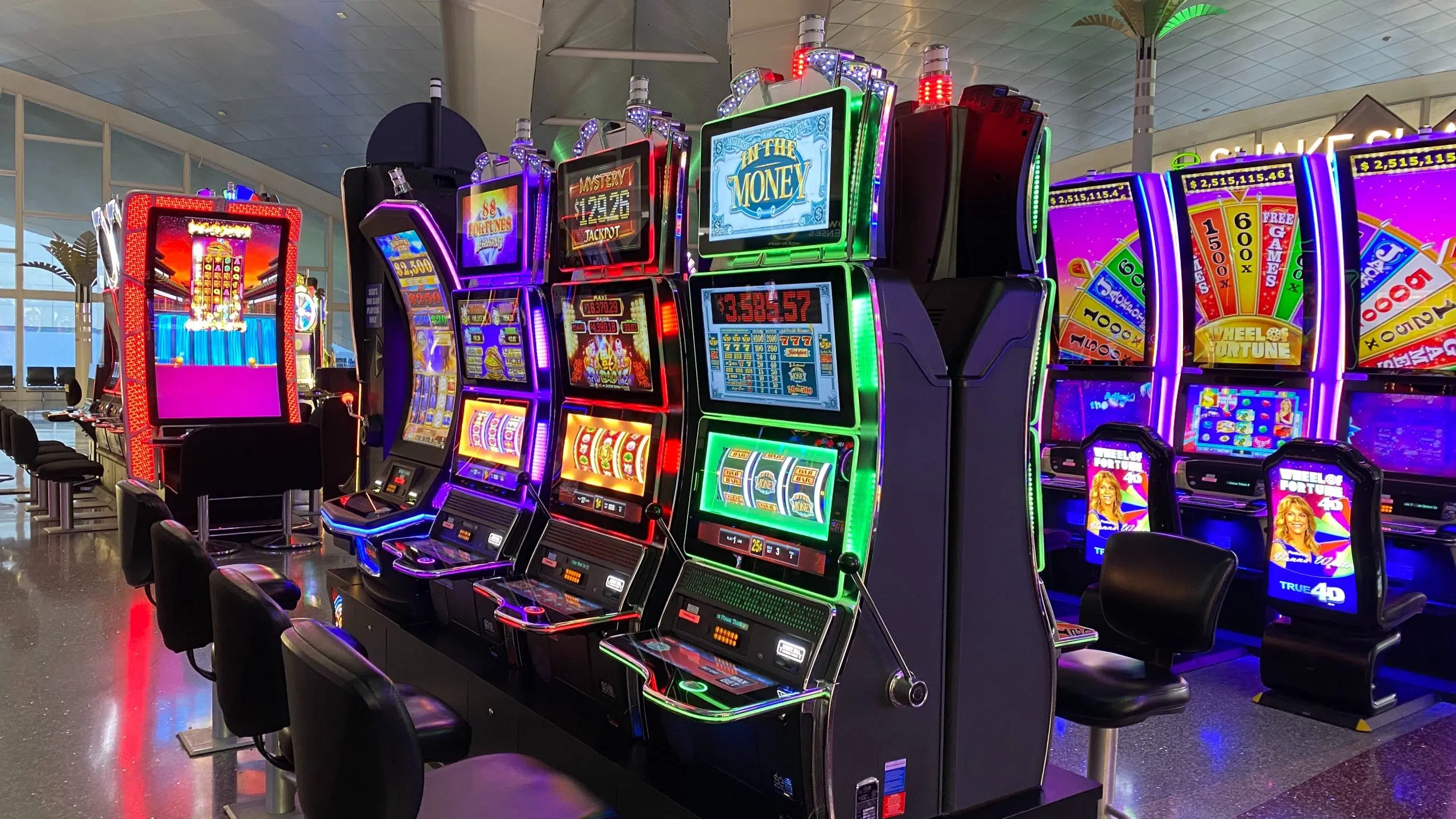
Tomorrow’s Luck Games Look Absolutely Wild
The evolution is still ongoing. Experiments with virtual reality promise immersive settings where you can stand inside fantastical worlds where they occur rather than merely playing luck games.
Augmented reality could combine real-world settings with virtual luck mechanics. Dynamic experiences that instantly adjust to each player’s preferences could be produced by artificial intelligence.
Provably fair systems and the potential to truly own your in-game rewards or accomplishments are made possible by blockchain technology. When you play across platforms, your progress moves smoothly between your computer, tablet, and phone. Digital convenience and human interaction are combined in live dealer formats.
The fundamental appeal doesn’t change, regardless of what happens next. People enjoy the excitement of chance. In safe settings where the stakes seem real but the outcomes are amusement rather than catastrophe, we like to tempt fate. We simply have more intriguing ways to experience that basic attraction thanks to technology.
The intricate digital experiences of today might not be recognizable to the mechanical lever pullers of a century ago, but they would recognize the fundamental appeal. observing the alignment of symbols, looking for the ideal combination, and rejoicing when good fortune strikes.
The excitement doesn’t change, but the packaging does. Our ability to make the wrapping as entertaining as the prize inside has only improved.

