
Role-playing games (RPGs) have always been about one thing: storytelling. From the branching narratives of The Witcher 3 to the open-ended worlds of Skyrim, great RPGs thrive on immersion, choice, and emotional depth. But now, a new question is reshaping the gaming industry—can artificial intelligence take over the storyteller’s role?
Generative AI is no longer limited to writing emails or creating images. It’s entering the world of gaming, promising dynamic narratives, intelligent NPCs, and infinite worlds. But can it truly write the next great RPG, or is it just a powerful tool waiting for human direction?
What Is Generative Gaming?
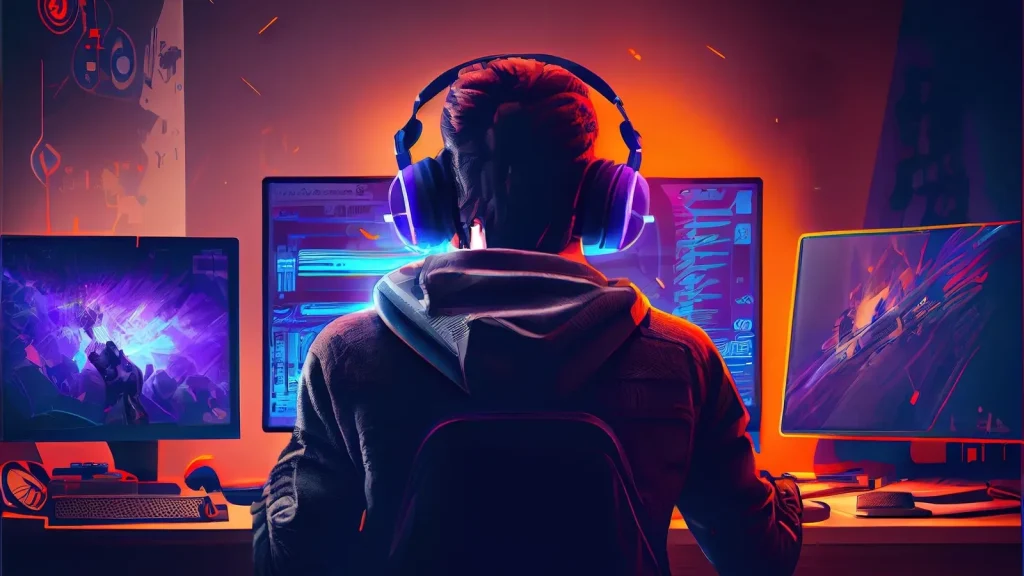
Generative gaming refers to the use of AI models to create game content in real time. This includes:
- Storylines and quests
- Dialogue and character arcs
- Environments and maps
- Music and sound design
Instead of developers scripting every possible interaction, AI systems can generate content on the fly, adapting to player choices in ways that were previously impossible.
AI-Driven Storytelling: A New Frontier
Traditional RPGs rely on pre-written narratives. Even with branching paths, the outcomes are finite. Generative AI changes that by enabling:
1. Infinite Story Possibilities
AI can create unique storylines for each player. No two playthroughs need to be the same.
2. Dynamic Dialogue Systems
NPCs can respond intelligently based on context, memory, and player behavior instead of fixed dialogue trees.
3. Adaptive Worldbuilding
The game world evolves based on decisions—kingdoms rise or fall, characters remember your actions, and consequences feel more real.
This level of dynamism could redefine immersion, making games feel less like scripted experiences and more like living worlds.
The Role of Human Creativity
Despite its potential, AI isn’t replacing developers anytime soon. In fact, the best results come from collaboration.
Game designers still define:
- Core narrative themes
- Emotional tone
- World rules and lore
AI then builds upon this foundation, filling in the details and expanding possibilities.
As Jason from technected says, “AI won’t replace storytellers—it will amplify them. The real magic happens when human creativity guides machine intelligence.”
Challenges AI Still Faces
While the vision is exciting, there are serious limitations:
1. Lack of Deep Emotional Understanding
AI can mimic emotion, but it doesn’t truly feel it. Crafting meaningful, memorable stories still requires human insight.
2. Consistency Issues
Maintaining long-term narrative consistency across a massive RPG world is difficult for AI.
3. Ethical and Creative Concerns
Questions arise about authorship, originality, and whether AI-generated content can truly be considered “art.”
4. Performance and Control
Real-time generation requires significant computational power, and developers must ensure AI doesn’t create broken or nonsensical scenarios.
Real-World Examples of Generative Gaming
Several studios and indie developers are already experimenting with AI:
- AI Dungeon – A text-based RPG with limitless storytelling possibilities
- Procedural generation in No Man’s Sky – While not fully AI-driven storytelling, it showcases the power of generative systems
- Modding communities integrating AI dialogue into existing RPGs
These examples hint at what’s possible but also highlight how far the technology still has to go.
The Future of RPGs: Hybrid Experiences
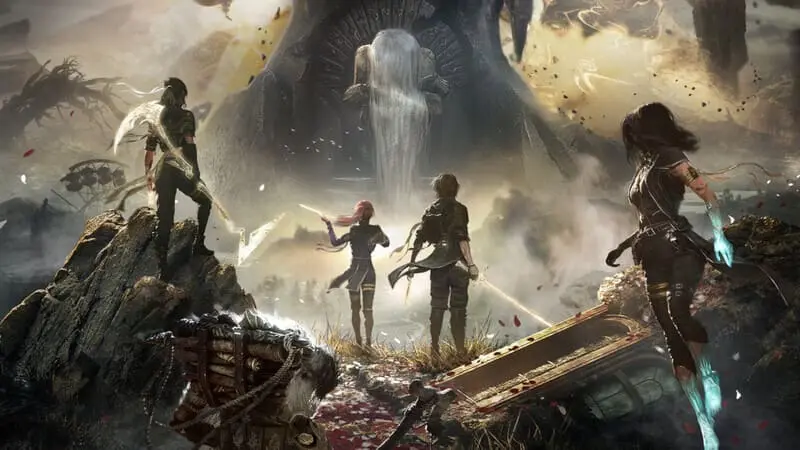
The most likely future isn’t fully AI-generated games—it’s hybrid RPGs where:
- Humans design the world and core story
- AI expands interactions and side content
- Players experience deeply personalized adventures
Imagine a game where every NPC has a memory, every quest adapts to your morality, and every decision reshapes the world in real time. That’s the promise of generative gaming.
Conclusion
So, can AI write the next great RPG?
Not alone.
But as a creative partner, AI has the potential to push RPGs beyond anything we’ve seen before. It can remove technical limitations, unlock infinite storytelling, and make games feel truly alive.
The next great RPG won’t just be written—it will be co-created by humans and machines, blending imagination with intelligence in ways that redefine what gaming can be.
FAQs
1. What is generative AI in gaming?
Generative AI in gaming refers to the use of artificial intelligence to create dynamic content such as stories, characters, and environments in real time.
2. Can AI completely replace game developers?
No, AI is a tool that enhances development. Human creativity and direction are still essential for meaningful game design.
3. Are there AI-generated RPGs available today?
Yes, experimental games like AI Dungeon use AI to create open-ended storytelling experiences.
4. What are the risks of AI in RPG development?
Key risks include lack of emotional depth, inconsistency in storytelling, and ethical concerns around authorship.
5. What is the future of AI in RPGs?
The future lies in hybrid models where AI and human developers work together to create richer, more immersive gaming experiences.

