
Driving games look simple on the surface. A car, a track, and a finish line. But anyone who has spent time behind a virtual wheel knows the truth. These games test patience, timing, and judgment more than raw reflexes.
Unlike many fast-paced genres, racing games punish panic. Press too hard. Turn too late. Brake at the wrong moment. Every mistake shows instantly. That honesty is what keeps players coming back.
As technology improved, driving games evolved from casual fun into serious skill-based experiences. Today, they sit somewhere between entertainment and simulation, offering lessons that go beyond the screen.
From Simple Controls to Complex Systems
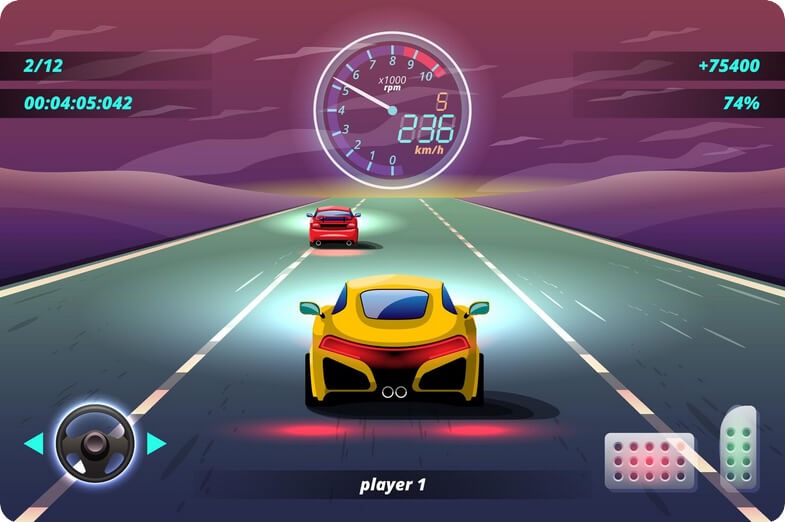
Early driving games focused on speed and spectacle. Cars felt light. Tracks were forgiving. You could recover quickly from errors.
Modern titles changed that approach. Physics engines now simulate weight transfer, tire grip, surface changes, and weather. A small input can create a big outcome. You feel it when a car loses traction. You learn quickly why smooth driving matters.
This shift forced players to slow down mentally, even as the cars became faster. Success now comes from understanding systems, not just reacting to visuals.
That change mirrors how many digital platforms have matured. They reward players who take time to learn how things work.
Why Racing Games Attract Analytical Thinkers?
Driving games appeal to players who enjoy structure. There are rules. Limits. Clear feedback.
Every lap tells a story. Lap times improve. Racing lines tighten. Braking points become natural. Progress feels earned.
That mindset often carries into how players approach other digital activities. Many racing fans like to research before jumping in. They read guides. Compare options. Understand risks.
That’s why resources like an Aussie-approved guide to safe online gaming fit naturally into the broader habits of thoughtful players. The same caution used on a virtual track applies elsewhere online. It’s not about fear. It’s about awareness.
Skill Development Happens Quietly
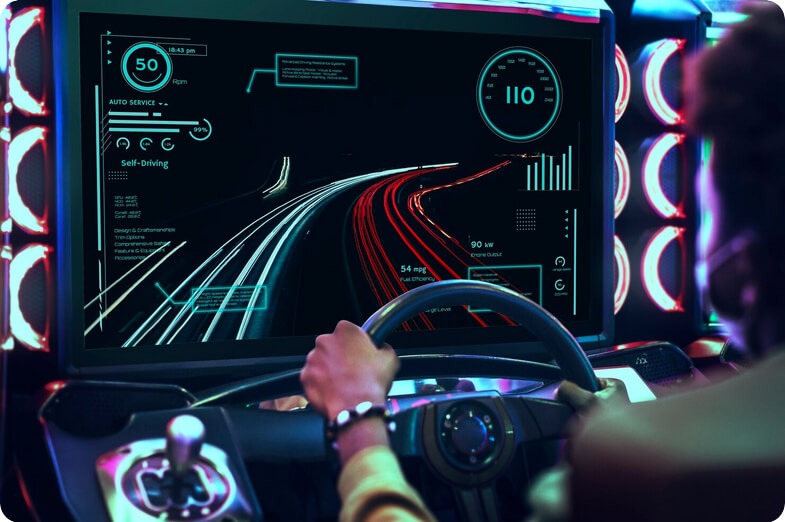
Driving games train skills without making it obvious.
Players learn patience by waiting for the right moment to overtake. They learn focus by holding concentration for long races. They learn discipline by accepting slower laps to avoid crashes.
These lessons come naturally through play. No tutorials needed.
Over time, players notice changes. Better reaction control. Less frustration after mistakes. More comfort with pressure.
Few genres teach emotional control as effectively.
The Importance of Consistency Over Flash
One fast lap means little if the next three are messy.
Racing rewards consistency. Smooth lines beat aggressive moves. Clean exits matter more than late braking.
This idea separates casual players from dedicated ones. The best racers know when to push and when to protect position.
That balance keeps races competitive and realistic. It also explains why racing communities value respect. Clean driving earns trust. Reckless driving earns isolation.
Reputation matters.
Hardware Enhances, Not Replaces, Skill
Racing wheels, pedals, and cockpit setups changed how people play. Force feedback adds physical resistance. Pedals teach brake control. Motion rigs amplify immersion. But hardware alone does not make someone fast.
Many players find that better equipment exposes weaknesses instead of hiding them. Poor throttle control becomes obvious. Inconsistent braking shows up immediately.
The learning curve sharpens. Improvement becomes more satisfying.
That honesty keeps the genre grounded.
Online Racing and Shared Responsibility
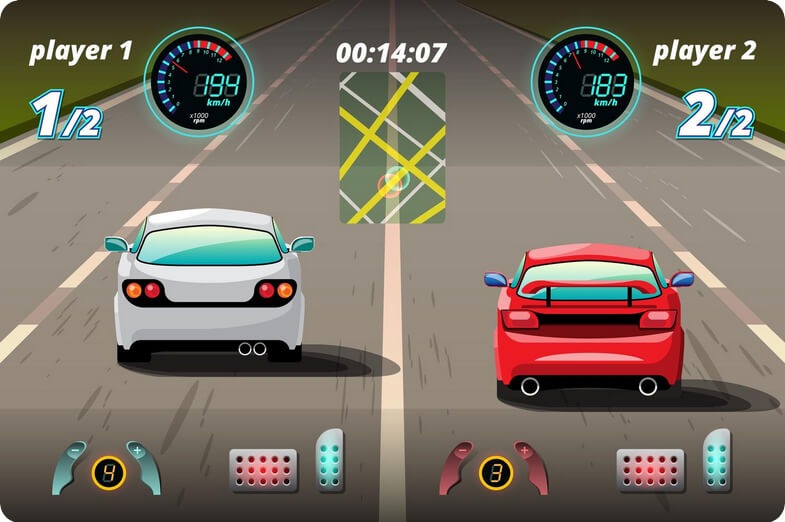
Online racing introduced new challenges. Real opponents. Real unpredictability.
Clean races require trust. Players must assume others will follow rules. When they don’t, consequences ripple through the race.
This dynamic encourages accountability. Many leagues enforce strict standards. Penalties matter. Repeat offenders lose access.
Unlike anonymous matchmaking in other genres, racing communities often remember names.
That social pressure improves behavior. It also builds long-term engagement.
Driving Games and Mental Endurance
Long races test endurance. Maintaining focus for thirty minutes or more demands discipline.
Mistakes usually come late, when fatigue sets in. Learning to stay calm under that pressure becomes a skill of its own.
Players develop routines. Breathing techniques. Focus cues. Small habits that help maintain consistency.
These habits translate surprisingly well outside gaming. Concentration under stress is useful everywhere.
Accessibility Without Losing Depth
Not every driving game aims for realism. Many offer assist systems that help new players learn.
Traction control. Brake assists. Steering aids. These tools lower the entry barrier without removing depth.
Players can gradually reduce assistance as confidence grows. Progress feels natural.
This flexibility keeps the genre welcoming. You don’t need expert knowledge to enjoy driving games. You only need curiosity.
The Role of AI and Smarter Competition
Artificial intelligence has improved dramatically. Computer-controlled drivers now adapt. They defend positions. They exploit mistakes. This creates races that feel alive, even offline.
Smarter AI also helps players practice safely. You can learn racecraft without pressure. Understand how cars behave in traffic. Prepare for online competition.
Practice becomes purposeful.
Streaming, Content, and the Social Side
Driving games found a strong place in streaming culture. Viewers enjoy watching clean laps, intense battles, and close finishes.
Unlike chaotic games, racing streams feel calm. The tension builds slowly. The payoff comes at the finish line.
Content creators often explain decisions mid-race. Why they chose a line. Why they defended a corner. That transparency educates viewers.
The genre teaches through example.
Why Racing Games Encourage Responsible Play?
Driving games discourage impulsive behavior. Rushing leads to crashes. Ignoring limits causes spins.
Players learn quickly that patience saves time. Thinking ahead matters more than reacting late.
That philosophy aligns with responsible digital habits in general. Understanding systems. Respecting limits. Choosing when to push and when to pause.
Good racing is thoughtful racing.
The Future of Driving Games
Future improvements will focus on realism and connection. Better physics. Smarter matchmaking. Improved safety systems.
Virtual reality will continue growing, though comfort remains key. Cross-platform play will expand communities.
But the core will stay the same. One car. One track. One chance to get it right.
Why Driving Games Continue to Matter?
Driving games survive because they reward effort. They respect intelligence. They challenge without overwhelming.
They teach players to slow down in a fast world. To value control over chaos. To improve step by step. That balance keeps the genre timeless.
No matter how technology evolves, the satisfaction of a clean lap, a perfect corner, and a well-earned win will always feel the same.
And that is why driving games remain more than entertainment. They are quiet teachers, wrapped in speed.

